Climate Diplomacy
Global Issues
Noah Gordon, adelphi

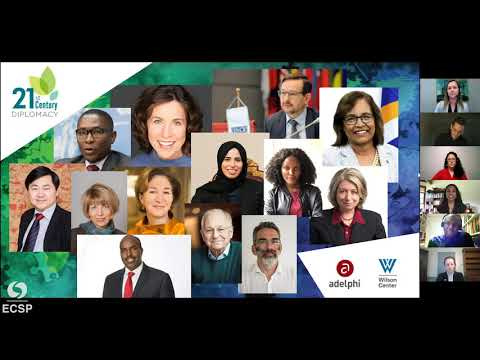
The best resource for all of our 21st Century Diplomacy: Foreign Policy Is Climate Policy content is the official website, hosted by the Wilson Center and adelphi. But the ECC editors are also collecting the topics here for eager readers.


Discover the essays:

The actions of the United States, China, and India will largely determine climate’s impact on the globe. At the same time, climate change is already influencing today’s era of great power competition and redefining the landscape of global leadership.


The climate crisis lays bare issues of inequity and injustice. Those least responsible for climate change are most vulnerable to its impacts. How can the foreign policy community accelerate and align efforts to address climate change with the global rallying cry for a more equitable and just world?


The Paris Agreement and UNFCCC process remains the primary avenue for current climate efforts and nation-state-to-nation-state diplomacy. This traditional mode of diplomacy is indispensable, but neglects the transformative power of sub- and non-state actors that are teaming up to take progressive action and form new leadership coalitions. What do these new modes of multilateralism mean for 21st century diplomacy?


Storm surges leave people stranded in their homes. Climate change can leave billion-dollar assets and entire sectors stranded, their value eroded by the changing economic landscape. Central banks, insurers, and financial regulators need to account for climate risk, including in international negotiations.


Decarbonizing the global energy system could spare every country from the most damaging climate impacts. However, universal benefits are not equal benefits, and the balance of power and relations between states will inevitably shift. What will the new geopolitical landscape look like?


Climate change is already a key driver in people’s decisions to move. The current foreign policy narrative on climate-affected migration focuses on security threats, border controls, and refugee management. But to empower those who are at the climate and mobility crossroads to enjoy meaningful choices, the diplomatic community will need to facilitate the protection of life and dignity, whether individuals and communities are on the move or choosing to stay in place.


Geoengineering is deliberate large-scale intervention in the Earth’s natural systems to combat climate change. Solar radiation management (SRM) is arguably the most likely technology to be deployed. An appealing technology option for some and risky endeavor for many, the lack of international norms or regulations on SRM research and deployment is a pressing diplomatic priority.

Download the full report here


Climate Diplomacy
South America
Central America & Caribbean
Adriana Erthal Abdenur, Igarapé Institute

75 years ago, the UN was born. In Latin America and the Caribbean, the UN looks back at several important achievements, but much work on persisting challenges still lies ahead. Increased UN engagement in three areas can make the region more resilient to future challenges.

Water
Global Issues
Manon Levrey, EPLO

Conflicts connected to water-security are often related to climate change issues. However, the link between water-scarcity-related risks and security challenges is not as straightforward, direct and immediate as often perceived. The online workshop ‘Mobilising decision-makers on water scarcity-induced conflict risks: The Water, Peace and Security Partnership’, organised by the European Peacebuilding Liaison Office (EPLO) and adelphi, looked into this complex relationship.

Conflict Transformation
Environment & Migration
Security
Sub-Saharan Africa
International Crisis Group (ICG)

Insecurity is plaguing north-western Nigeria, due to persistent herder-farmer tensions, rising crime and infiltration by Islamist militants. Federal and state authorities should focus on resolving conflict between agrarian and pastoralist communities, through dialogue and resource-sharing agreements, while also stepping up law enforcement.

Stewart M. Patrick, Council on Foreign Relations

The scope of national security is expanding beyond violent threats to encompass a broader array of dangers. In an article for World Politics Review, CFR's Stewart M. Patrick assesses the implications of COVID-19 and climate change for the theory and practice of national security.