Climate Diplomacy
Global Issues
Noah Gordon, adelphi

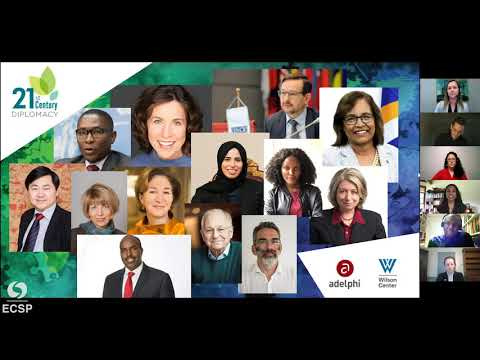
The best resource for all of our 21st Century Diplomacy: Foreign Policy Is Climate Policy content is the official website, hosted by the Wilson Center and adelphi. But the ECC editors are also collecting the topics here for eager readers.


Discover the essays:

The actions of the United States, China, and India will largely determine climate’s impact on the globe. At the same time, climate change is already influencing today’s era of great power competition and redefining the landscape of global leadership.


The climate crisis lays bare issues of inequity and injustice. Those least responsible for climate change are most vulnerable to its impacts. How can the foreign policy community accelerate and align efforts to address climate change with the global rallying cry for a more equitable and just world?


The Paris Agreement and UNFCCC process remains the primary avenue for current climate efforts and nation-state-to-nation-state diplomacy. This traditional mode of diplomacy is indispensable, but neglects the transformative power of sub- and non-state actors that are teaming up to take progressive action and form new leadership coalitions. What do these new modes of multilateralism mean for 21st century diplomacy?


Storm surges leave people stranded in their homes. Climate change can leave billion-dollar assets and entire sectors stranded, their value eroded by the changing economic landscape. Central banks, insurers, and financial regulators need to account for climate risk, including in international negotiations.


Decarbonizing the global energy system could spare every country from the most damaging climate impacts. However, universal benefits are not equal benefits, and the balance of power and relations between states will inevitably shift. What will the new geopolitical landscape look like?


Climate change is already a key driver in people’s decisions to move. The current foreign policy narrative on climate-affected migration focuses on security threats, border controls, and refugee management. But to empower those who are at the climate and mobility crossroads to enjoy meaningful choices, the diplomatic community will need to facilitate the protection of life and dignity, whether individuals and communities are on the move or choosing to stay in place.


Geoengineering is deliberate large-scale intervention in the Earth’s natural systems to combat climate change. Solar radiation management (SRM) is arguably the most likely technology to be deployed. An appealing technology option for some and risky endeavor for many, the lack of international norms or regulations on SRM research and deployment is a pressing diplomatic priority.

Download the full report here


Adaptation & Resilience
Capacity Building
Conflict Transformation
Development
Security
Global Issues
Martin Ras, UNDP

No country is immune to natural hazards, but for fragile states, the effects are even more severe. Mostly, conflict prevention and humanitarian aid are seen as more pressing priorities to protect livelihoods there. This pushes efforts of climate change adaptation and disaster risk reduction to the bottom of the priority list and results in compounded pressures.

Climate Change
Climate Diplomacy
Security
Global Issues
Oceania & Pacific
adelphi

As the debate over climate-related security risks grows, many Pacific Island States are calling for more action by the international community to better address the links between climate change and global security. In an interview with adelphi, the former President of Nauru, Baron Waqa, highlights some of these calls as well as the challenges in getting the climate-security issue on the UN’s agenda.

Climate Change
Climate Diplomacy
Global Issues
Josh Gabbatiss, Carbon Brief

A record breaking European heatwave provided a fitting backdrop to the latest round of UN climate change talks, in which delegates from around the world descended on Bonn for a two-week diplomatic effort.

Climate Change
Climate Diplomacy
Security
Europe
Global Issues
Dennis Tänzler, adelphi

Climate and security were the focus of a high-level foreign policy conference held in Berlin in early June. At the core of the conference was the “Berlin Call for Action”, which sets out three concrete action areas for tackling the threats posed by climate change to peace and security, namely risk-informed planning, enhanced capacity for action and improved operational response. But what if the world doesn’t listen?