

In 2020 the European Peacebuilding Liaison Office (EPLO), together with adelphi and the Climate Diplomacy initiative, with support from the German Federal Foreign Office, organised two series of online workshops. The series brought together civil society experts and policymakers to discuss challenges, lessons learned, best practices and recommendations relating to how to address the linkages between climate change, conflict and peace.
The discussions were focused in particular on how to integrate peacebuilding efforts and climate resilience programming, including through initiatives bringing communities together to address the effects of climate change and prevent conflict. A report presents the key points from the discussions in the eight workshops in the series, while a policy brief presents a summary of the key points and recommendations.
24 September 2020 - Community Resilience to Climate Change and Conflict: Lessons From the Pacific
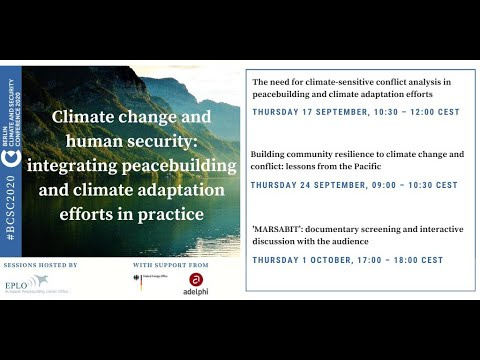
01 October 2020 - MARSABIT: Documentary Screening & Interactive Discussion
The world risks crossing the point of no return on climate change, with disastrous consequences for people across the planet and the natural systems that sustain them, the United Nations Secretary-General António Guterres warned on Monday, calling for more leadership and greater ambition for climate action, to reverse course.
China’s vision of a global energy system overemphasises the benefits of connectivity. Planners and investors also have to consider the potential impacts on biodiversity and local community livelihoods from different power generation methods and find ways to prevent them.
A new report analyses how the transition to a low-carbon economy – and the minerals and metals required to make that shift – could affect fragility, conflict, and violence dynamics in mineral-rich states.
Ignoring cross border impacts of large infrastructure projects will spark conflict along rivers, argues Peter King. National level environmental impact assessments that ignore cross border impacts are likely to create conflict between countries.