

In 2020 the European Peacebuilding Liaison Office (EPLO), together with adelphi and the Climate Diplomacy initiative, with support from the German Federal Foreign Office, organised two series of online workshops. The series brought together civil society experts and policymakers to discuss challenges, lessons learned, best practices and recommendations relating to how to address the linkages between climate change, conflict and peace.
The discussions were focused in particular on how to integrate peacebuilding efforts and climate resilience programming, including through initiatives bringing communities together to address the effects of climate change and prevent conflict. A report presents the key points from the discussions in the eight workshops in the series, while a policy brief presents a summary of the key points and recommendations.
24 September 2020 - Community Resilience to Climate Change and Conflict: Lessons From the Pacific
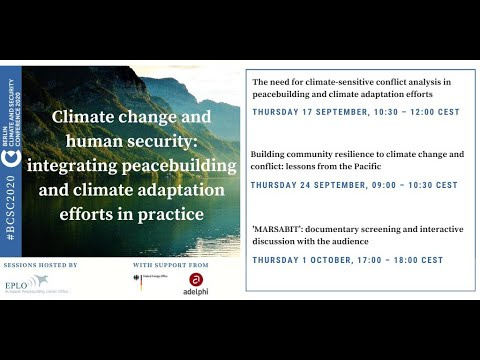
01 October 2020 - MARSABIT: Documentary Screening & Interactive Discussion
Jair Bolsonaro, Brasil’s current de facto presidential frontrunner, says he would withdraw Brazil from the Paris Agreement if he wins the October election. The withdrawal of such an important developing country, home to the world’s largest rainforest, would deal a blow to international climate cooperation. Bolsorano’s opposition to the international pact has drawn criticism from the UN’s environment chief.
Until now, no one had seriously doubted that relations between the US and Europe, for all the difficulties and conflicts they have gone through, would continue safe and sound. Since Trump was elected as US President however, the atmosphere has changed. The re-nationalisation of the world order has gained speed and is making clear how far advanced global interdependencies have become. With global multilateralism in crisis, climate diplomacy could act as a new driving force.
There are only a few weeks to go before international and local leaders from states, regions, cities, businesses, investors and civil society travel to the Global Climate Action Summit in San Francisco to create a new wave of mobilization. As Earth is at risk of entering a situation of extreme conditions, those going must bring along more than just flowers in their hair.
The surge in the frequency and intensity of climate change impacts has raised the alarm about how this could hamper coastal activities. Several critical ports in the Indo-Pacific region are hubs of international trade and commerce and at the same time vulnerable to typhoons, taller waves and erosion. India’s climate diplomacy at the regional level could activate climate-resilient pathways for port development and management.