

What will come next for G7 action on climate and fragility? From 25-27 October 2017, G7 representatives will gather in Rome to discuss pathways to manage the climate-fragility nexus, and exchange views on climate-related issues such as food security, involuntary migration and land resources. adelphi will convene a targeted workshop on the design of the new G7 risk assessment on Lake Chad and steps to respond to the crisis in the region.
The G7 foreign ministries have been at the forefront of putting climate-fragility risks on the global agenda. After commissioning the independent report “A New Climate for Peace: Taking Action on Climate and Fragility Risks” in 2013, they formed a working group to follow up on the recommendations in the report and met in April 2016 in Japan and in April 2017 in Italy to reiterate their commitment to integrate climate-fragility considerations into their planning.
Since then, the G7 Working Group on Climate and Fragility has been an important hub on climate and security–an issue which currently lacks an institutional home. The working group suggested conducting a risk assessment in a priority region to understand the full conflict cycle in a specific region and to develop predictive tools to integrate climate change into the analysis of future situations of fragility, instability and security threats.
Lake Chad Basin: a region of shared interest and concern of the G7
The Lake Chad Basin was identified by all G7 members as a region of shared interest and concern, and hence links to the G7 Working Group’s agenda. The state of emergency around the Lake Chad Basin that currently affects more than 10 million people is a prime example of a multi-faceted crisis, in which climate change interacts with other pressures, such as poverty and marginalization, and thereby contributes to violent conflict and the proliferation of terrorist groups like Boko Haram.
The planned G7 risk assessment project is partly designed to build upon on-going national processes such as the French “Lake Chad Initiative” and to ‘conflict-sensitize’ and climate-proof funding and programmes stemming from the humanitarian conference on Lake Chad in Oslo in February 2017. In Rome from 25-27 October 2017, the working group will refine the research design and prepare its implementation.
Review workshop convened by adelphi
At the inception meeting on 25 October, convened by adelphi, G7 members, donors and partner organizations – ranging from representatives of USAID, the Dutch Ministry of Foreign Affairs, the European External Action Service and the German Federal Foreign Office – will review the project’s analytical framework, discuss the methodology and brief each other on current engagements in the region.
After the G7 energy ministers failed to agree on a statement supporting the Paris Agreement at their summit in April 2017, the G7 ministers of agriculture – including Donald Trump’s secretary for agriculture – signed a communiqué last Sunday recognising climate change threatens global food supply. The G7 Working Group on Climate and Fragility now has the opportunity to follow suit and show commitment to increase climate resilience in fragile states.
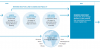
Full infographic on the G7’s work on climate and fragility.
The Twitter accounts @adelphi_berlin and @ClimateDiplo and the hashtag #LakeChad will help you stay up-to-date with the developments in the Lake Chad region and with the progress of the G7 Lake Chad Risk Assessment Project.


