

Launch of Green Central Asia: Regional cooperation to tackle the impact of climate change

Climate change poses a threat to security
Climate change has manifold effects on foreign and security policy. Rising sea levels, desertification and the destruction of ecosystems are increasingly threatening to deprive people of their livelihoods, thus jeopardising the stability of states and societies. In Central Asia and Afghanistan, climate change has had a particularly severe impact on water, land and soils, among other things due to the melting of mountain glaciers.
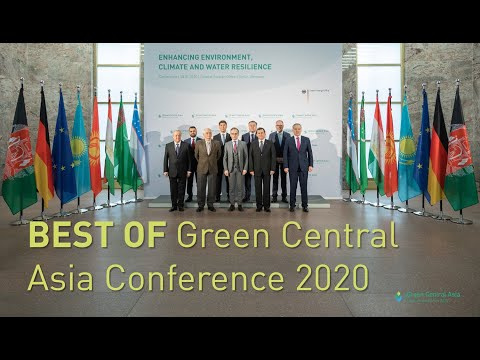
WATCH THE BEST MOMENT OF THE GREEN CENTRAL ASIA CONFERENCE 2020:
Germany is supporting cooperation in Central Asia
With its Green Central Asia initiative, the Federal Foreign Office intends to support regional integration between the six Central Asian countries concerned with a view to fostering the dialogue on the consequences of climate change and the risks associated with it. Germany is pursuing a preventive and stabilising foreign policy in the region and, to this end, is supporting the European Union’s strategy for Central Asia, which was adopted in June 2019.
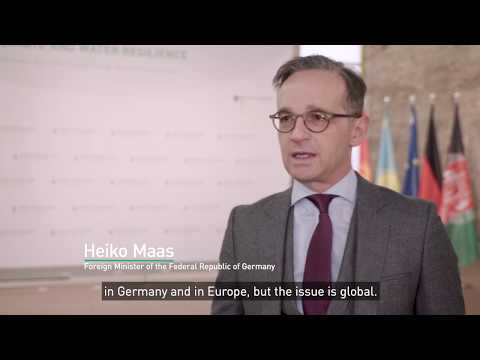
WATCH INTERVIEW WITH GERMAN FOREIGN MINISTER HEIKO MAAS:
Ministers sign a joint declaration on climate and security
A high-level conference took place at the Federal Foreign Office in Berlin on 28 January 2020 with the aim of strengthening cooperation in the region as well as the exchange between policy-makers, academia and civil society. In addition to Foreign Minister Maas, who is hosted the event, colleagues from Afghanistan, Kazakhstan, Kyrgyzstan, Turkmenistan, Tajikistan and Uzbekistan took part in the conference. A joint declaration on cooperation in the field of climate and security was signed.
This includes the spheres of water and glacier protection in particular, energy, biodiversity, land management and agriculture and is to be implemented at national and regional level. The aim of the Green Central Asia initiative is to create better access to information and promote academic cooperation in the Central Asian states and Afghanistan during the next four years. The concrete implementation of the declaration is to be underpinned by a high-level political dialogue format.
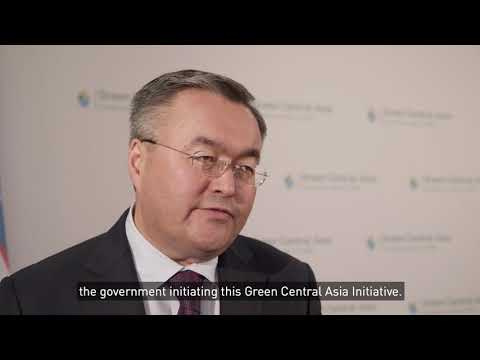
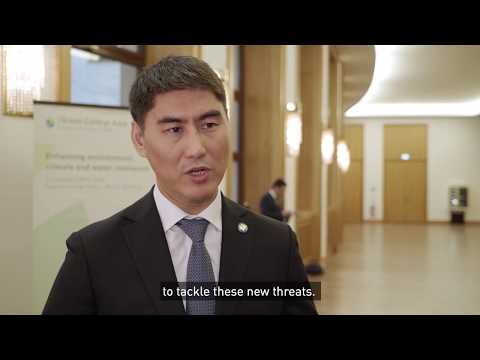
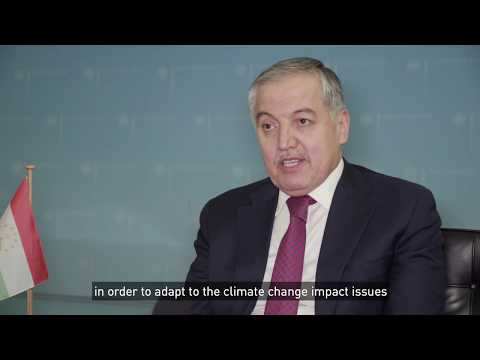
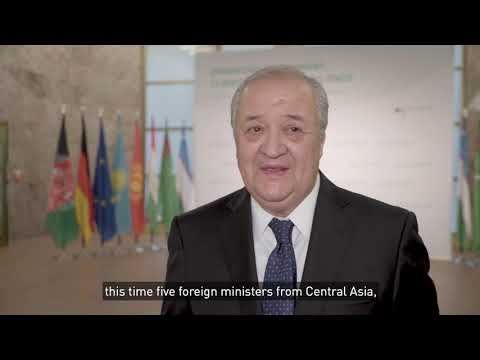
WATCH INTERVIEWS WITH SOME OF CENTRAL ASIA'S FOREIGN MINISTERS:
Creating synergies, bringing together expertise
In addition to the high-level Minister segment, the Green Central Asia conference also included an exchange with academia and civil society. The cooperation between the different players in Germany and on the ground is one of the explicit goals of the project. Its overarching approach is intended to create synergies and bring together expertise from many different areas. For more information on the conference and project, please click here.


