

Acknowledging that climate change is a global threat to security in the 21st century, the Dutch government has convened an international conference on Planetary Security on 2-3 November 2015 in The Hague. The aim of the conference was to facilitate strategic exchange on existing foreign policy and security architecture. During the conference, experts and policy-makers presented their perspectives on the risks of climate change and actions needed.
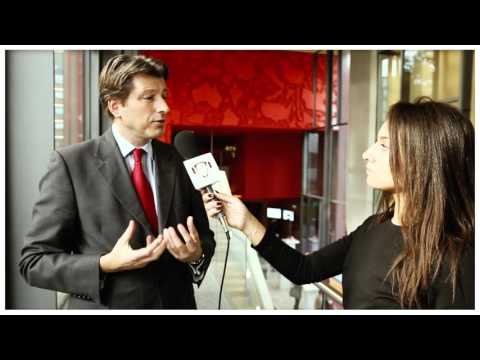
We have interviewed several experts for the ECC Video Platform. There was broad consensus that the compound climate-fragility risks require integrated solutions. Alexander Verbeek, organiser of the conference, underlines that the participants from the climate and security community appreciated the opportunity for continuous knowledge building and for joint planning, as the conference is meant to take place annually. Dan Smith, Director of SIPRI and co-author of "A New Climate for Peace", highlights the importance of cooperation and broad dialogue to build an integrated resilience agenda.
The conference, therefore, both helped reiterate the value of integrated action across sectors and disciplines and contributed to building the necessary networks. Part of the solution to climate-related security challenges will be to craft a positive narrative on climate action. Ensuing discussions and activities will require all pieces of the jigsaw puzzle to come together. The defence, aid and foreign policy communities need to cooperate closely and create an integrated, action-oriented agenda.
To watch the video interviews with Major General Muniruzzaman (Retd) and Roger-Mark De Souza, please visit the ECC Video Platform.
A little over a decade ago, the Himalayan region was considered by the IPCC a 'black hole for data'. Small steps have been taken since then, but now scientists hope recent border clashes and the pandemic will not derail the limited progress made on research cooperation over the past decade.
New report for policymakers provides an overview of the growing research on the links between climate change, security and peace. The synthesis identifies ten insights into climate-related security risks and lays the groundwork for the Global Climate Security Risk and Foresight Assessment, led by adelphi and PIK, that will be launched at the Berlin Climate and Security Conference.
In the wake of Germany’s United Nations Security Council (UNSC) presidency for the month of July 2020, its role in addressing climate change in the body gains even greater importance. A look into selected UNSC members that are also pushing the climate issue reveals: health and economic risks are key entry-points.