

Acknowledging that climate change is a global threat to security in the 21st century, the Dutch government has convened an international conference on Planetary Security on 2-3 November 2015 in The Hague. The aim of the conference was to facilitate strategic exchange on existing foreign policy and security architecture. During the conference, experts and policy-makers presented their perspectives on the risks of climate change and actions needed.
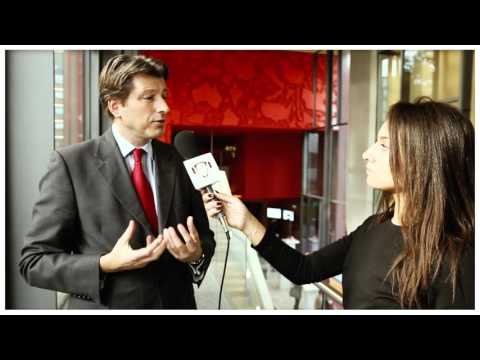
We have interviewed several experts for the ECC Video Platform. There was broad consensus that the compound climate-fragility risks require integrated solutions. Alexander Verbeek, organiser of the conference, underlines that the participants from the climate and security community appreciated the opportunity for continuous knowledge building and for joint planning, as the conference is meant to take place annually. Dan Smith, Director of SIPRI and co-author of "A New Climate for Peace", highlights the importance of cooperation and broad dialogue to build an integrated resilience agenda.
The conference, therefore, both helped reiterate the value of integrated action across sectors and disciplines and contributed to building the necessary networks. Part of the solution to climate-related security challenges will be to craft a positive narrative on climate action. Ensuing discussions and activities will require all pieces of the jigsaw puzzle to come together. The defence, aid and foreign policy communities need to cooperate closely and create an integrated, action-oriented agenda.
To watch the video interviews with Major General Muniruzzaman (Retd) and Roger-Mark De Souza, please visit the ECC Video Platform.
The European Green Deal has made the environment and climate change the focus of EU action. Indeed, climate change impacts are already increasing the pressure on states and societies; however, it is not yet clear how the EU can engage on climate security and environmental peacemaking. In this light, and in the run-up to the German EU Council Presidency, adelphi and its partners are organising a roundtable series on “Climate, environment, peace: Priorities for EU external action in the decade ahead”.
In January 2020, the German Federal Foreign Office launched Green Central Asia, a regional initiative on climate and security in Central Asia and Afghanistan. The aim of the initiative is to support a dialogue in the region on climate change and associated risks in order to foster regional integration between the six countries involved.
Climate change will shift key coordinates of foreign policy in the coming years and decades. Even now, climate policy is more than just environment policy; it has long since arrived at the centre of foreign policy. The German Foreign Office recently released a report on climate diplomacy recognizing the biggest challenges to security posed by climate change and highlighting fields of action for strengthening international climate diplomacy.
A high-level ministerial conference in Berlin is looking at the impact of climate change on regional security in Central Asia. The aim is to foster stronger regional cooperation, improve the exchange of information and form connections with academia and civil society.