

Acknowledging that climate change is a global threat to security in the 21st century, the Dutch government has convened an international conference on Planetary Security on 2-3 November 2015 in The Hague. The aim of the conference was to facilitate strategic exchange on existing foreign policy and security architecture. During the conference, experts and policy-makers presented their perspectives on the risks of climate change and actions needed.
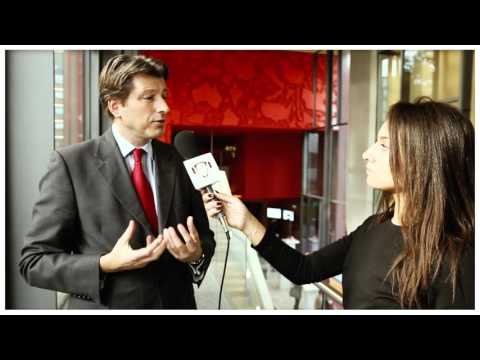
We have interviewed several experts for the ECC Video Platform. There was broad consensus that the compound climate-fragility risks require integrated solutions. Alexander Verbeek, organiser of the conference, underlines that the participants from the climate and security community appreciated the opportunity for continuous knowledge building and for joint planning, as the conference is meant to take place annually. Dan Smith, Director of SIPRI and co-author of "A New Climate for Peace", highlights the importance of cooperation and broad dialogue to build an integrated resilience agenda.
The conference, therefore, both helped reiterate the value of integrated action across sectors and disciplines and contributed to building the necessary networks. Part of the solution to climate-related security challenges will be to craft a positive narrative on climate action. Ensuing discussions and activities will require all pieces of the jigsaw puzzle to come together. The defence, aid and foreign policy communities need to cooperate closely and create an integrated, action-oriented agenda.
To watch the video interviews with Major General Muniruzzaman (Retd) and Roger-Mark De Souza, please visit the ECC Video Platform.
Even as the US officially pulled out of the Paris Agreement earlier this week, it might be too soon to lose hope on the country's long-term commitments to climate action. If a Democrat wins the upcoming presidential elections, which are set for November 2020, a reaccession process could begin shortly after the withdrawal is complete. In the meantime, however, the effect on trade policy could be significant.
European peatlands could turn from carbon sinks to sources as a quarter have reached levels of dryness unsurpassed in a record stretching back 2,000 years, according to a new study. This trend of “widespread” and “substantial” drying corresponds to recent climate change, both natural and human-caused, but may also be exacerbated by the peatlands being used for agriculture and fuel.
The Kingdom of the Netherlands has contributed $28 million to back FAO's work to boost the resilience of food systems in Somalia, Sudan, and South Sudan - part of a new initiative to scale-up resilience-based development work in countries affected by protracted crises.
A group of five small countries have announced that they will launch negotiations on a new Agreement on Climate Change, Trade and Sustainability, which, if successful, would constitute the first international trade agreement focused solely on climate change and sustainable development. The initiative also breaks new ground by aiming to simultaneously remove barriers for trade in environmental goods and services and crafting binding rules to eliminate fossil fuel subsidies. Small countries can pioneer the development of new trade rules that can help achieve climate goals, but making credible commitments, attracting additional participants, and ensuring transparency will be essential ingredients for long-term success.