

Acknowledging that climate change is a global threat to security in the 21st century, the Dutch government has convened an international conference on Planetary Security on 2-3 November 2015 in The Hague. The aim of the conference was to facilitate strategic exchange on existing foreign policy and security architecture. During the conference, experts and policy-makers presented their perspectives on the risks of climate change and actions needed.
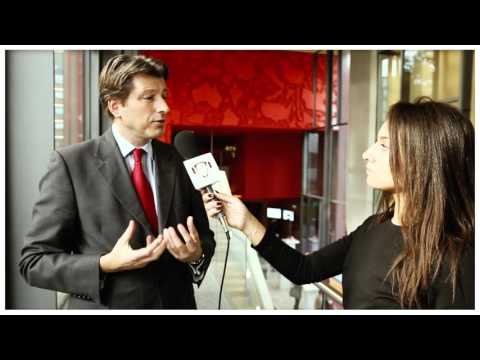
We have interviewed several experts for the ECC Video Platform. There was broad consensus that the compound climate-fragility risks require integrated solutions. Alexander Verbeek, organiser of the conference, underlines that the participants from the climate and security community appreciated the opportunity for continuous knowledge building and for joint planning, as the conference is meant to take place annually. Dan Smith, Director of SIPRI and co-author of "A New Climate for Peace", highlights the importance of cooperation and broad dialogue to build an integrated resilience agenda.
The conference, therefore, both helped reiterate the value of integrated action across sectors and disciplines and contributed to building the necessary networks. Part of the solution to climate-related security challenges will be to craft a positive narrative on climate action. Ensuing discussions and activities will require all pieces of the jigsaw puzzle to come together. The defence, aid and foreign policy communities need to cooperate closely and create an integrated, action-oriented agenda.
To watch the video interviews with Major General Muniruzzaman (Retd) and Roger-Mark De Souza, please visit the ECC Video Platform.
Peat areas have played a pivotal role in conflicts globally, and have also been a point of contention during post-conflict recovery. Communities in Southeast Asia as well as in the countries of the Congo are facing challenges as finding political solutions for this problem.
Ignoring cross border impacts of large infrastructure projects will spark conflict along rivers, argues Peter King. National level environmental impact assessments that ignore cross border impacts are likely to create conflict between countries.
On a visit at short notice to Germany, Russian President Vladimir Putin has met with German Chancellor Angela Merkel to discuss a range of bilateral and international issues, including the conflicts in Syria and Ukraine, and the future of the controversial gas pipeline project Nord Stream 2. The pair met for the second time within just three months to talk about the project.
Australia’s new prime minister will not walk away from the Paris climate agreement, although his new policies now make it unlikely the country will meet its emissions reduction goal. Ongoing trade talks with the EU could also hinge on how climate policy continues to develop.